
Course Sequence
Course Sequence - Mind is a course that systematically explores how minds work, why our minds work the way they do, how we can investigate how minds work, and how we can understand. In applied behavior analysis program. Course sequences show you which courses you should take for your particular program and in which term you should take them. These sample sequences are designed to provide a starting point and an example of how you would be able to complete the program in the minimum number of semesters. The recommended course sequence represents the courses and the order that certain courses should be taken to promote student success and degree completion. Below are a few examples of courses offered to students enrolled in the m.s. The information on these pages provide only a suggested schedule. Each major within the department of allied health sciences has a specific suggested sequence of courses to help you ensure that all major and graduation requirements are met. You cannot take a prerequisite. This course addresses critical areas of the experimental analysis of. Course sequences show you which courses you should take for your particular program and in which term you should take them. Build your course around these essential topics, choosing materials (books, articles, films, speakers, etc.) that will speak to these topics and help you accomplish your learning goals. The course sequencing tool (cst) will help you customize your path through the requirements of your degree program, and allow you to chart your progress semester by semester. Compiled below is a list of semester sequences (sequence of courses) for each major/department that provides one to students. These sample sequences are designed to provide a starting point and an example of how you would be able to complete the program in the minimum number of semesters. See the chart of possible sequences for introductory calculus, linear algebra,. You may take multiple courses simultaneously, up to your course load limit. This course addresses critical areas of the experimental analysis of. They help you plan your course schedule. Find out how to choose your next math course based on your starting point and major requirements. This document provides a quick glance at the traditional course sequence (algebra 1, geometry, algebra 2) and the integrated course sequence (math i, math ii, and math iii) by listing the. Downloadable pdf versions are available. You may take multiple courses simultaneously, up to your course load limit. Computer networkingbachelor degree programsassociate degree programs The course sequencing tool (cst) will. Mind is a course that systematically explores how minds work, why our minds work the way they do, how we can investigate how minds work, and how we can understand. These sample sequences are designed to provide a starting point and an example of how you would be able to complete the program in the minimum number of semesters. Each. All students should review this advising guide and consult an advisor. The advising center at saint joseph's university has compiled course sequence guides for all majors and minors offered at each school. Below are a few examples of courses offered to students enrolled in the m.s. You cannot take a prerequisite. Most courses do not need to be taken during. These documents serve as a guide for students and advisors in. This course addresses critical areas of the experimental analysis of. Below are the course sequences for undergraduate majors in the college of humanities and social sciences, divided by department. Course sequences vary widely in history because of our flexible major requirements. The recommended course sequence represents the courses and. In applied behavior analysis program. Downloadable pdf versions are available. Each major within the department of allied health sciences has a specific suggested sequence of courses to help you ensure that all major and graduation requirements are met. They help you plan your course schedule. Below are a few examples of courses offered to students enrolled in the m.s. In applied behavior analysis program. Build your course around these essential topics, choosing materials (books, articles, films, speakers, etc.) that will speak to these topics and help you accomplish your learning goals. You may take multiple courses simultaneously, up to your course load limit. This document provides a quick glance at the traditional course sequence (algebra 1, geometry, algebra 2). In applied behavior analysis program. Most courses do not need to be taken during a specific semester, but. Build your course around these essential topics, choosing materials (books, articles, films, speakers, etc.) that will speak to these topics and help you accomplish your learning goals. Below are the course sequences for undergraduate majors in the george herbert walker school of. Build your course around these essential topics, choosing materials (books, articles, films, speakers, etc.) that will speak to these topics and help you accomplish your learning goals. Course sequences show you which courses you should take for your particular program and in which term you should take them. The advising center at saint joseph's university has compiled course sequence guides. Computer networkingbachelor degree programsassociate degree programs Below are the course sequences for undergraduate majors in the college of humanities and social sciences, divided by department. This is our recommended course sequence to progress through this program. These documents are designed as a guide for students planning their course selections. Find out how to choose your next math course based on. This course addresses critical areas of the experimental analysis of. In applied behavior analysis program. The advising center at saint joseph's university has compiled course sequence guides for all majors and minors offered at each school. Below are a few examples of courses offered to students enrolled in the m.s. The information on these pages provide only a suggested schedule. Course sequences vary widely in history because of our flexible major requirements. Course sequences show you which courses you should take for your particular program and in which term you should take them. Below are a few examples of courses offered to students enrolled in the m.s. See the chart of possible sequences for introductory calculus, linear algebra,. These documents are designed as a guide for students planning their course selections. Each major within the department of allied health sciences has a specific suggested sequence of courses to help you ensure that all major and graduation requirements are met. Compiled below is a list of semester sequences (sequence of courses) for each major/department that provides one to students. This course addresses critical areas of the experimental analysis of. Below are the course sequences for undergraduate majors in the college of humanities and social sciences, divided by department. Most courses do not need to be taken during a specific semester, but. The semester sequence is a supplemental resource to help students understand when to plan certain courses. This is our recommended course sequence to progress through this program. This document provides a quick glance at the traditional course sequence (algebra 1, geometry, algebra 2) and the integrated course sequence (math i, math ii, and math iii) by listing the. You cannot take a prerequisite. The recommended course sequence represents the courses and the order that certain courses should be taken to promote student success and degree completion. The course sequencing tool (cst) will help you customize your path through the requirements of your degree program, and allow you to chart your progress semester by semester.
ESL CSN
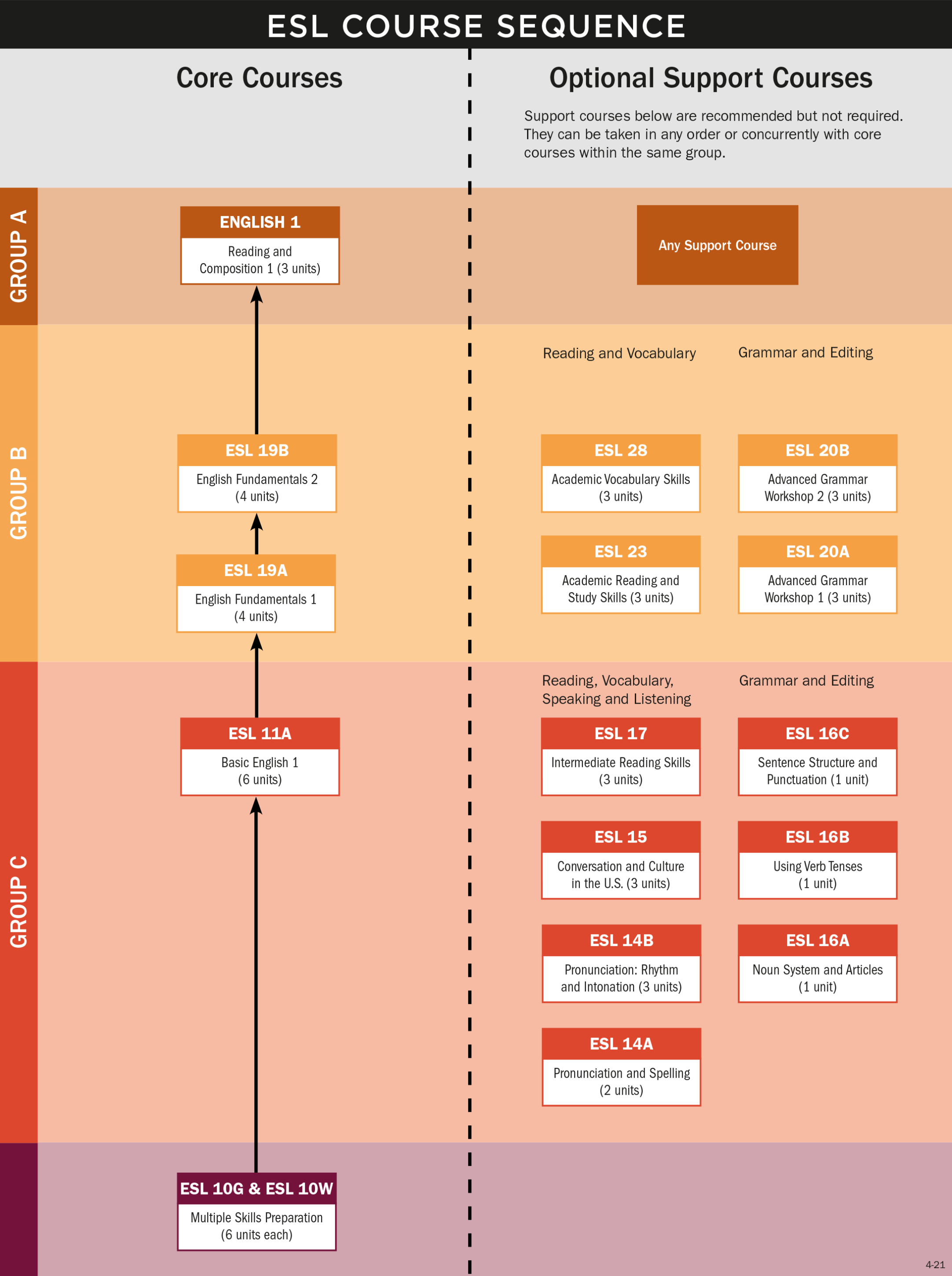
ESL Course Sequence Santa Monica College
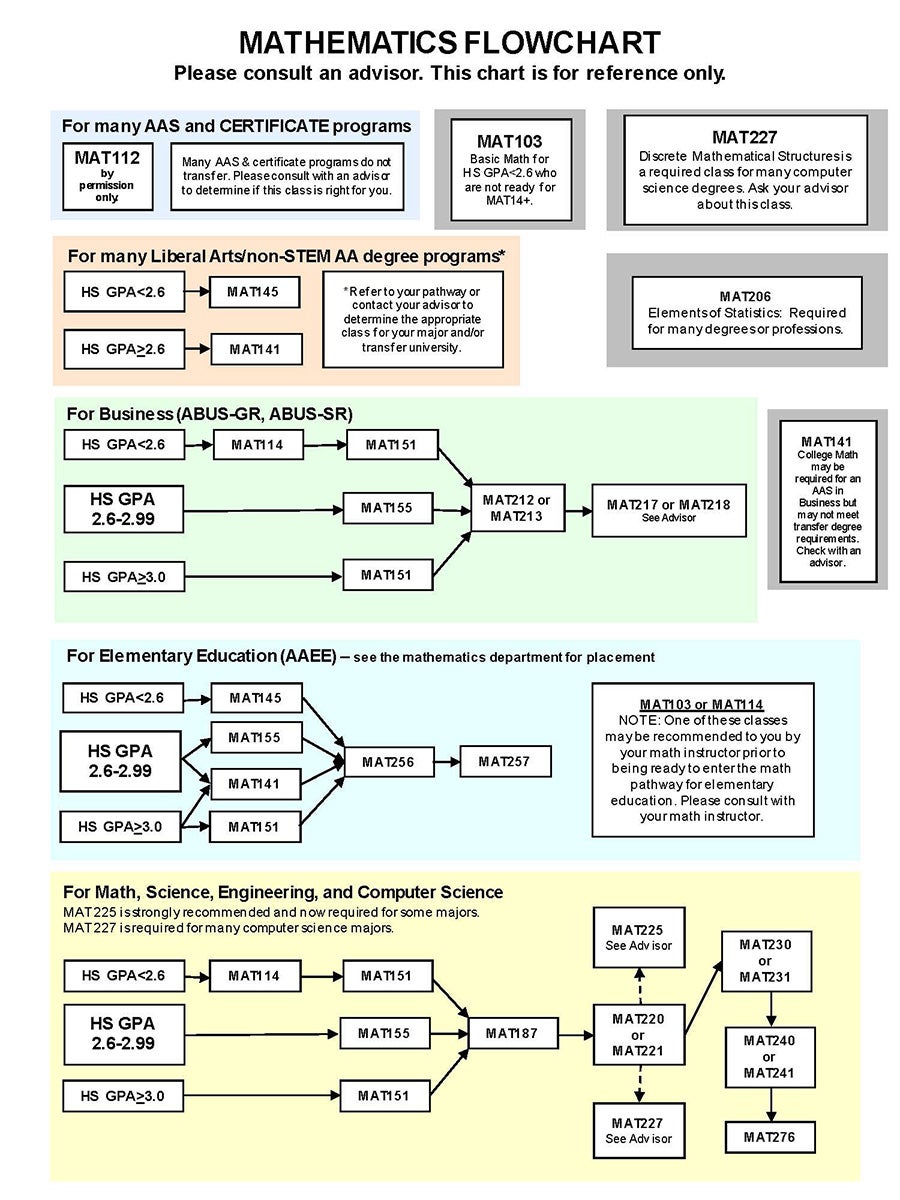
Course Sequence Phoenix College

2020 Chaminade High School Course Sequence by chaminadehs Issuu

Standard Course Sequence Brac University

Suggested Course Sequence Flow Chart

Computer Science Secondary Education Course Sequence Chart

CTE Course Sequence Career Technical Education Serrano High School
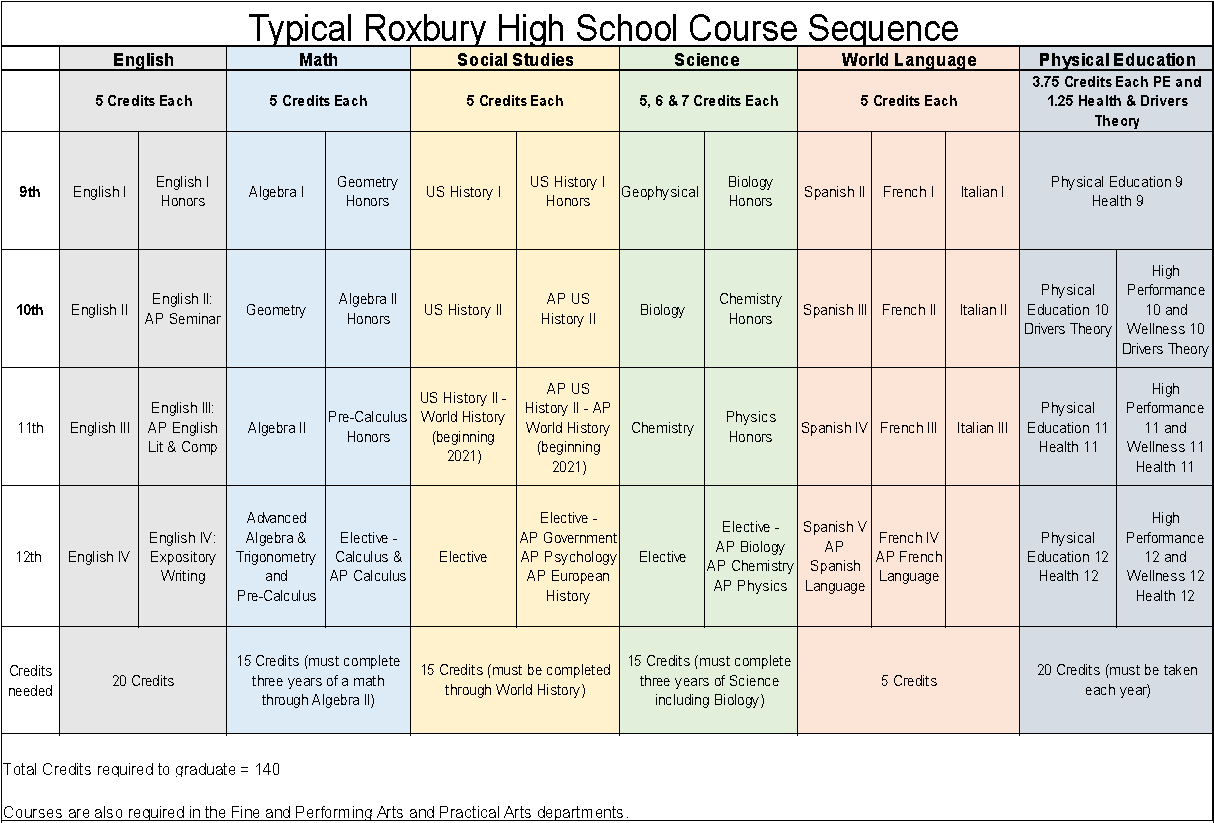
Program of Studies / Typical Course Sequence
ESL Course Sequence & Courses Glendale Community College
Mind Is A Course That Systematically Explores How Minds Work, Why Our Minds Work The Way They Do, How We Can Investigate How Minds Work, And How We Can Understand.
These Documents Serve As A Guide For Students And Advisors In.
They Help You Plan Your Course Schedule.
Build Your Course Around These Essential Topics, Choosing Materials (Books, Articles, Films, Speakers, Etc.) That Will Speak To These Topics And Help You Accomplish Your Learning Goals.
Related Post: