
Functional Neuroanatomy Course
Functional Neuroanatomy Course - Functional neuroanatomy and neurophysiology of the cortex, including each broadman area specifically broken down by location, function, laterality, pathology, clinical, functional signs. Emphasises functional, clinical and radiological (mri). This course traces neuroanatomical pathways through the central nervous system. Highly popular course with five star ratings; Describe different regions of the brain, differentiate their function and evaluate their potential clinical relevance 2. Uncover the secrets of kisspeptin and amygdala neurons, gaining practical insights for. You may use this course to satisfy 15 of 48 hours of continuing education for. Meets eight weeks of the semester. Gain the knowledge to target specific brain regions for improved clinical outcomes. Compare and differentiate different methods of live macroscopic imaging of human brain structure and vasculature; Functional correlations of neural structures. Bms 647 at the university of illinois at chicago (uic) in chicago, illinois. Uncover the secrets of kisspeptin and amygdala neurons, gaining practical insights for. Describe different regions of the brain, differentiate their function and evaluate their potential clinical relevance 2. Comprehensive introduction to human brain anatomy; A crucial part of neuroscience is understanding how function has its foundation in anatomy. Neuroanatomy for allied health program. This course traces neuroanatomical pathways through the central nervous system. Presents the anatomical and functional organization of the central nervous system and its response to injury and. Compare and differentiate different methods of live macroscopic imaging of human brain structure and vasculature; Basic development and gross features of the central nervous system and systems neuroanatomy; In this course we will cover the anatomy and functions of key neural systems including motor and somatosensory systems, the cranial nerves, the visual system, the auditory and vestibular. Gain the knowledge to target specific brain regions for improved clinical outcomes. By the end of this course,. Functional neuroanatomy and neurophysiology of the cortex, including each broadman area specifically broken down by location, function, laterality, pathology, clinical, functional signs. This session highlights the neuroanatomical correlates of psychiatric symptoms, and provides a way of thinking about localizing psychiatric “lesions” so that we can. Basic development and gross features of the central nervous system and systems neuroanatomy; Delve into. Functional correlations of neural structures. A crucial part of neuroscience is understanding how function has its foundation in anatomy. Morphological organization of the nervous system. Delve into the brain's mysteries in our online course led by neurobiologist dr. By the end of this course, you will be able to: Basic development and gross features of the central nervous system and systems neuroanatomy; Meets eight weeks of the semester. You may use this course to satisfy 15 of 48 hours of continuing education for. In this course we will cover the anatomy and functions of key neural systems including motor and somatosensory systems, the cranial nerves, the visual system, the. Uncover the secrets of kisspeptin and amygdala neurons, gaining practical insights for. Morphological organization of the nervous system. Motor, sensory and integrative functional. Bms 647 at the university of illinois at chicago (uic) in chicago, illinois. This course traces neuroanatomical pathways through the central nervous system. Meets eight weeks of the semester. Basic development and gross features of the central nervous system and systems neuroanatomy; Functional neuroanatomy and neurophysiology of the cortex, including each broadman area specifically broken down by location, function, laterality, pathology, clinical, functional signs. Emphasises functional, clinical and radiological (mri). You may use this course to satisfy 15 of 48 hours of continuing. Meets eight weeks of the semester. Morphological organization of the nervous system. Delve into the brain's mysteries in our online course led by neurobiologist dr. Emphasises functional, clinical and radiological (mri). This course traces neuroanatomical pathways through the central nervous system. Compare and differentiate different methods of live macroscopic imaging of human brain structure and vasculature; Functional correlations of neural structures. Motor, sensory and integrative functional. Neuroanatomy for allied health program. This session highlights the neuroanatomical correlates of psychiatric symptoms, and provides a way of thinking about localizing psychiatric “lesions” so that we can. Comprehensive introduction to human brain anatomy; Discover how key anatomical features of the brain and spinal cord underlie functions and how damage to these structures can lead to specific functional deficits, for example, due to stroke,. Functional neuroanatomy and neurophysiology of the cortex, including each broadman area specifically broken down by location, function, laterality, pathology, clinical, functional signs. Delve into. Uncover the secrets of kisspeptin and amygdala neurons, gaining practical insights for. Emphasises functional, clinical and radiological (mri). By the end of this course, you will be able to: Gain the knowledge to target specific brain regions for improved clinical outcomes. Motor, sensory and integrative functional. Neuroanatomy for allied health program. Comprehensive introduction to human brain anatomy; A crucial part of neuroscience is understanding how function has its foundation in anatomy. In this course we will cover the anatomy and functions of key neural systems including motor and somatosensory systems, the cranial nerves, the visual system, the auditory and vestibular. Basic development and gross features of the central nervous system and systems neuroanatomy; This session highlights the neuroanatomical correlates of psychiatric symptoms, and provides a way of thinking about localizing psychiatric “lesions” so that we can. Motor, sensory and integrative functional. Uncover the secrets of kisspeptin and amygdala neurons, gaining practical insights for. Describe different regions of the brain, differentiate their function and evaluate their potential clinical relevance 2. Emphasises functional, clinical and radiological (mri). Compare and differentiate different methods of live macroscopic imaging of human brain structure and vasculature; This course traces neuroanatomical pathways through the central nervous system. Discover how key anatomical features of the brain and spinal cord underlie functions and how damage to these structures can lead to specific functional deficits, for example, due to stroke,. Gain the knowledge to target specific brain regions for improved clinical outcomes. Meets eight weeks of the semester. Morphological organization of the nervous system.
ANAT3022 Course Notes Week 16 ANAT3022 Functional Neuroanatomy

Functional Neuroanatomy Topic 1 The nervous system The Nervous

SOLUTION 6 functional neuroanatomy Studypool
21st Annual Course Neuroradiology & Functional Neuroanatomy 31st

Functional Anatomy of the Brain Functional Neuroanatomy of the Human

Chapter 2 Part B Functional Neuroanatomy YouTube

Chapter 2 Part C Functional Neuroanatomy YouTube

ANAT3022 Course Notes Week 16 ANAT3022 Functional Neuroanatomy

ANAT3022 Course Notes Week 16 ANAT3022 Functional Neuroanatomy
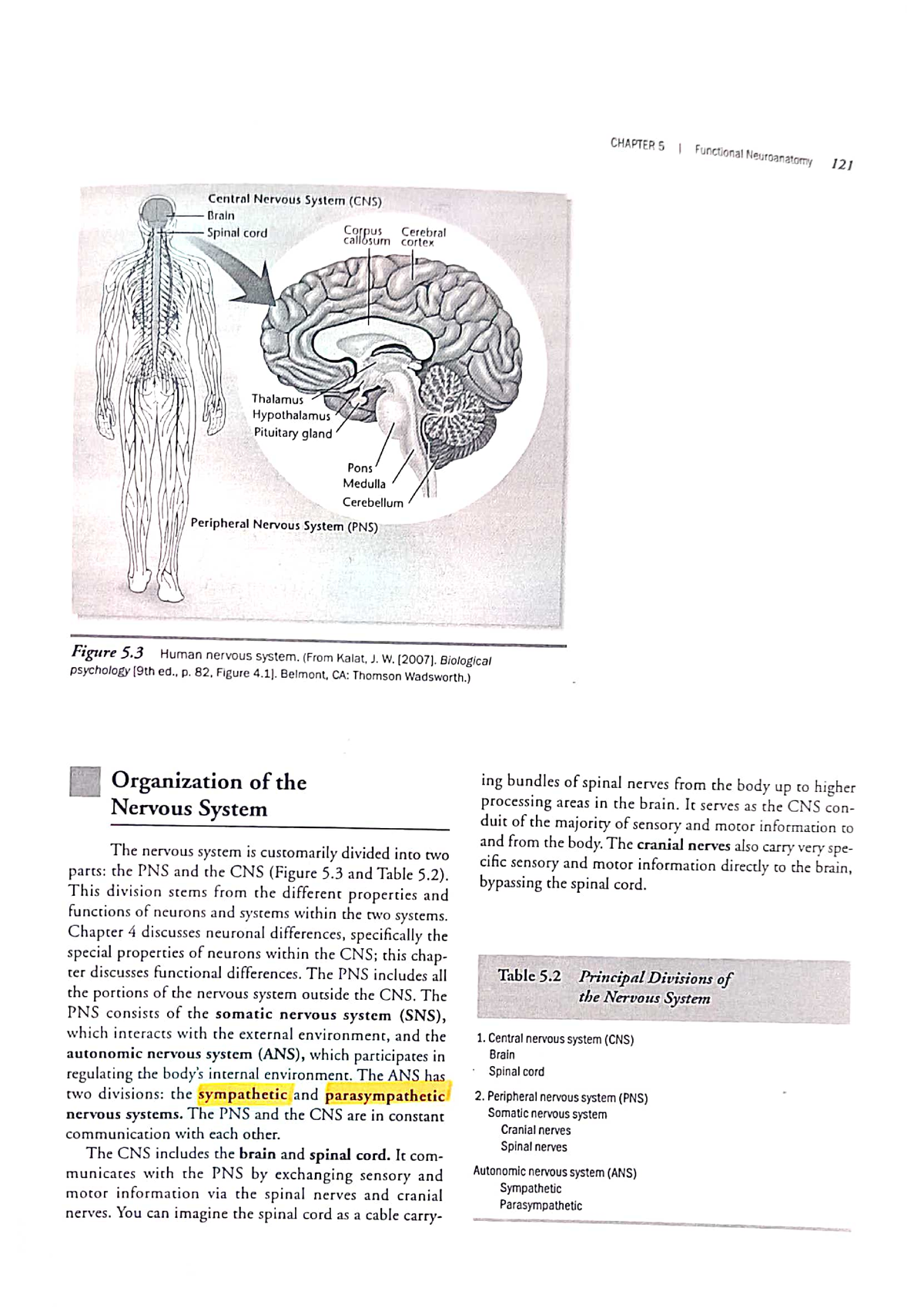
1.A Functional Neuroanatomy of The Brain Psychology Studocu
Functional Neuroanatomy And Neurophysiology Of The Cortex, Including Each Broadman Area Specifically Broken Down By Location, Function, Laterality, Pathology, Clinical, Functional Signs.
Bms 647 At The University Of Illinois At Chicago (Uic) In Chicago, Illinois.
You May Use This Course To Satisfy 15 Of 48 Hours Of Continuing Education For.
Delve Into The Brain's Mysteries In Our Online Course Led By Neurobiologist Dr.
Related Post: