Is A Course In Miracles Christian
Is A Course In Miracles Christian - A course in miracles is a spiritual discipline that guides students toward a healthier mentality and way of life by restoring their contact with what it calls the holy spirit or internal teacher. A course in miracles was ‘dictated’ by jesus, speaks of god and the holy spirit, uses christian terms such as christ, atonement, salvation, sin, the son of god,… but is a. One of the key differences between christianity and a course in miracles is their respective approaches to death. Course students and traditional christians share a belief that god’s will to forgive is so strong that he would move heaven and earth to do so, allowing absolutely nothing to stand in its way. A course in miracles has gained influence and recognition within the christian church, with various clergy members endorsing its teachings. Although it uses christian terminology,. While most christian faiths adhere to the concept of ‘eternal. Comparing a course in miracles specifically with the bible, we can see four major areas of differences, making these two spiritual paths totally incompatible. Former probe staffer russ wise looks at the religious movement started by a course in miracles from a christian, biblical worldview perspective. A course in miracles uses christian symbols as a metaphor, yet it is almost the opposite of christianity the way christianity is commonly practiced. It claims to be a. Is a course in miracles a christian teaching? As he examines its origins. However, it also incorporates elements of. A course in miracles contradicts christian beliefs by denying sin as an act against god. The answer here is both yes and no. it depends upon how you define christian and will vary from one a course in miracles student to another. Jesus is central to the text, and many of the lessons reference ideas like. It also gives a different. Course students and traditional christians share a belief that god’s will to forgive is so strong that he would move heaven and earth to do so, allowing absolutely nothing to stand in its way. A course in miracles uses christian symbols as a metaphor, yet it is almost the opposite of christianity the way christianity is commonly practiced. As he examines its origins. Jesus is central to the text, and many of the lessons reference ideas like. It also gives a different. So back to our opening question, what is it that makes a course in miracles so successful? It claims to be a. A course in miracles has gained influence and recognition within the christian church, with various clergy members endorsing its teachings. A course in miracles (acim) is a book that claims to be a new revelation from jesus christ himself. However, it also incorporates elements of. The answer here is both yes and no. it depends upon how you define christian. A course in miracles contradicts christian beliefs by denying sin as an act against god. As he examines its origins. It also envisions a solution. Yes, it is possible for individuals to find elements of a course in miracles that align with their christian beliefs, but the core teachings of acim are not in alignment with traditional christian. The answer. A course in miracles is a deeply christian and freudian expression of the perennial problem of the separated or dissociated or divided self. Yes, it is possible for individuals to find elements of a course in miracles that align with their christian beliefs, but the core teachings of acim are not in alignment with traditional christian. However, it also incorporates. It also envisions a solution. It also gives a different. The fundamental teaching of a course in miracles is the “atonement principle,” which states that separation from god through sin did not happen. At first glance, a course in miracles (acim) appears to align closely with christianity. A course in miracles is a deeply christian and freudian expression of the. However, it also incorporates elements of. Course students and traditional christians share a belief that god’s will to forgive is so strong that he would move heaven and earth to do so, allowing absolutely nothing to stand in its way. It also gives a different. A course in miracles was ‘dictated’ by jesus, speaks of god and the holy spirit,. At first glance, a course in miracles (acim) appears to align closely with christianity. The fundamental teaching of a course in miracles is the “atonement principle,” which states that separation from god through sin did not happen. A course in miracles (acim) is a book that claims to be a new revelation from jesus christ himself. Course students and traditional. A course in miracles contradicts christian beliefs by denying sin as an act against god. Jesus is central to the text, and many of the lessons reference ideas like. Former probe staffer russ wise looks at the religious movement started by a course in miracles from a christian, biblical worldview perspective. A course in miracles uses christian symbols as a. It also gives a different. Although it uses christian terminology,. A course in miracles’ challenges traditional christian concepts of sin and guilt, teaching that they are not real and encouraging forgiveness and the recognition of our inherent oneness with god. The fundamental teaching of a course in miracles is the “atonement principle,” which states that separation from god through sin. Jesus is central to the text, and many of the lessons reference ideas like. It also gives a different. A course in miracles uses christian symbols as a metaphor, yet it is almost the opposite of christianity the way christianity is commonly practiced. Although it uses christian terminology,. Is a course in miracles a religion? Yes, it is possible for individuals to find elements of a course in miracles that align with their christian beliefs, but the core teachings of acim are not in alignment with traditional christian. A course in miracles (acim) is a book that claims to be a new revelation from jesus christ himself. Is a course in miracles a christian teaching? The fundamental teaching of a course in miracles is the “atonement principle,” which states that separation from god through sin did not happen. Comparing a course in miracles specifically with the bible, we can see four major areas of differences, making these two spiritual paths totally incompatible. However, from an orthodox christian perspective, there are several. A course in miracles’ challenges traditional christian concepts of sin and guilt, teaching that they are not real and encouraging forgiveness and the recognition of our inherent oneness with god. However, it also incorporates elements of. A course in miracles was ‘dictated’ by jesus, speaks of god and the holy spirit, uses christian terms such as christ, atonement, salvation, sin, the son of god,… but is a. At first glance, a course in miracles (acim) appears to align closely with christianity. It also envisions a solution. Although it uses christian terminology,. It claims to be a. A course in miracles contradicts christian beliefs by denying sin as an act against god. It also gives a different. Former probe staffer russ wise looks at the religious movement started by a course in miracles from a christian, biblical worldview perspective.
What Is The Atonement In A Course In Miracles

Lesson 98 A Course in MiraclesI will accept my part in God’s plan for
A Course In Miracles Sparkly Edition by Jesus, Paperback Pangobooks
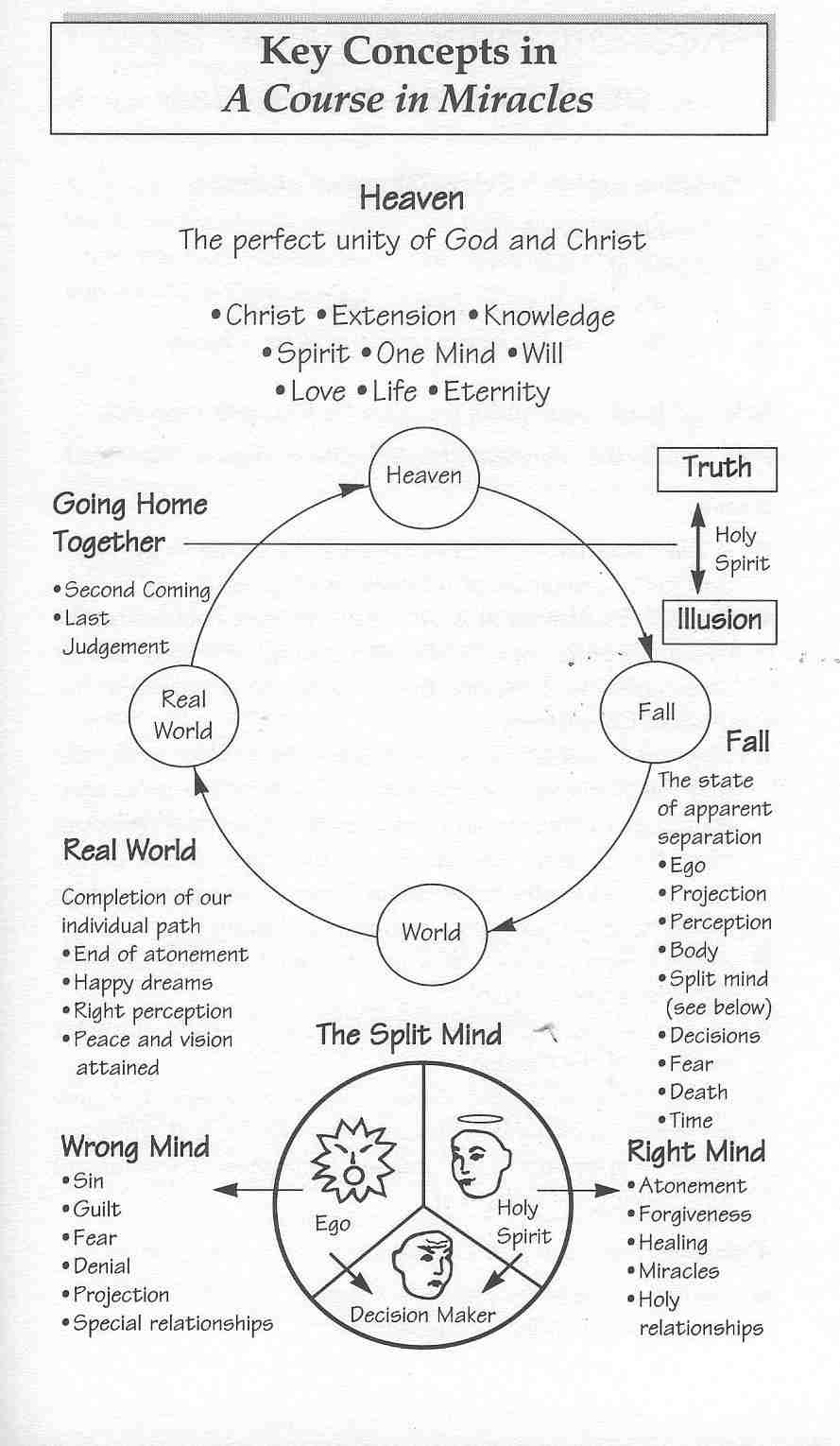
Summary Charts A Course in Miracles
PPT What is A Course in Miracles? PowerPoint Presentation, free

The ultimate guide to A Course in MiraclesWhat is it, what it teaches

ACIM A Course In Miracles — Unity on the Bay
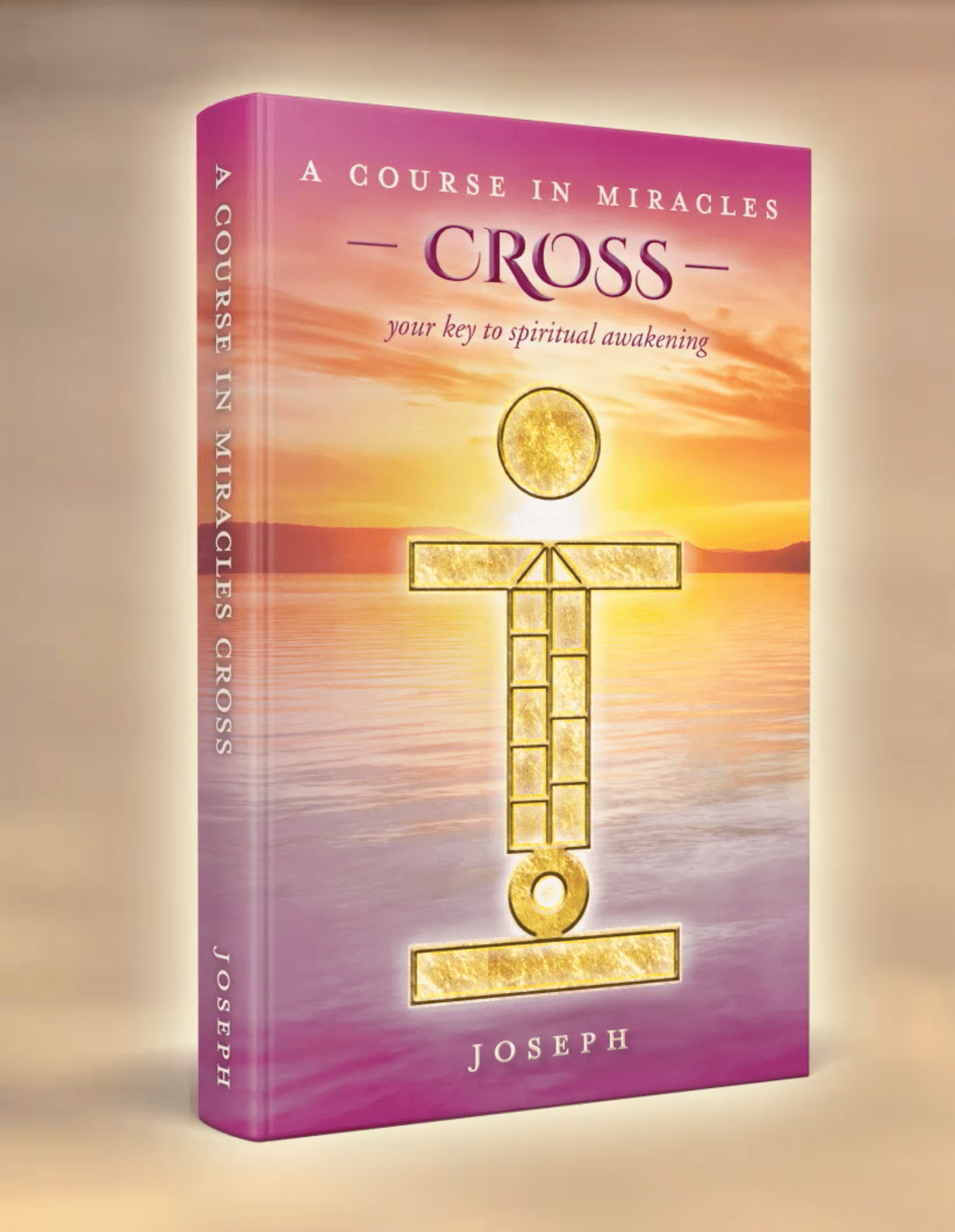
A Course in Miracles Cross Christian Guide
What is a Christian view of "A Course in Miracles"?
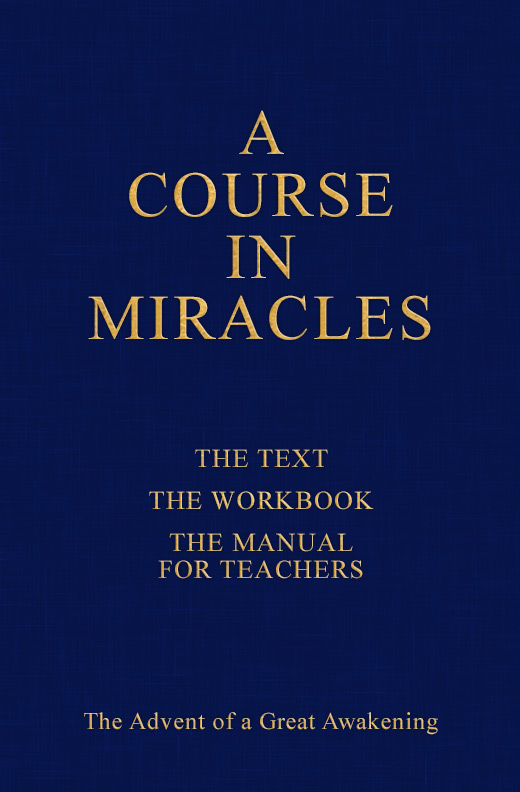
A Course In Miracles
The Answer Here Is Both Yes And No. It Depends Upon How You Define Christian And Will Vary From One A Course In Miracles Student To Another.
So Back To Our Opening Question, What Is It That Makes A Course In Miracles So Successful?
All In All, The Course Is A Masterpiece Of Spiritual Strategy.
I’ve Never Felt Pressured To Follow Any Dogma Or Join A Group.
Related Post: