Of Course Origin
Of Course Origin - So that he became a very desirable, though a very dangerous. The oldest attestation as of course is from the 1540s; It can be used to affirm a statement, respond to a request, or indicate that something is expected or obvious. “off course” is a phrase that means to be going in a. Using “of course” is grammatically sound because it consists of two distinct words with specific roles: This article will dive deep into the nuances of “of course” or “ofcourse,”. You would use 2of course” as a response to a question. The form by course (then spelled bi cours) dates to about 1300. (see also the definition of course given by oxford living dictionaries.) “course” is a noun, often referring to the natural order. Of course is commonly used to introduce an action or. He inspired love and emulation wherever he appeared; So that he became a very desirable, though a very dangerous. The phrase has become particularly popular among younger generations. Choosing the correct phrase in your writing can sometimes be tricky, especially when it comes to common expressions like “of course” and “ofcourse.” these two may look. Many people mistakenly write it as “ofcourse,” raising questions about its usage, meaning, and context. This article will dive deep into the nuances of “of course” or “ofcourse,”. The oldest attestation as of course is from the 1540s; Origin & history from literal meaning of the ordinary course of events. The form by course (then spelled bi cours) dates to about 1300. The phrase ‘of course’ has its origins in the longer phrase ‘matter of course,’ which signifies something that is expected to naturally occur. He inspired love and emulation wherever he appeared; Choosing the correct phrase in your writing can sometimes be tricky, especially when it comes to common expressions like “of course” and “ofcourse.” these two may look. This usage,. Over time, the phrase has evolved to. “off course” is a phrase that means to be going in a. He inspired love and emulation wherever he appeared; The oldest attestation as of course is from the 1540s; The form by course (then spelled bi cours) dates to about 1300. “of course” is a phrase that means yes, certainly, and without a doubt. “course” is a noun, often referring to the natural order. “of course” is a versatile phrase used in various contexts. Origin & history from literal meaning of the ordinary course of events. Many people mistakenly write it as “ofcourse,” raising questions about its usage, meaning, and context. The language structure evolved naturally,. He inspired love and emulation wherever he appeared; The oldest attestation as of course is from the 1540s; The form by course (then spelled bi cours) dates to about 1300. (see also the definition of course given by oxford living dictionaries.) The oldest attestation as of course is from the 1540s; It can be used to affirm a statement, respond to a request, or indicate that something is expected or obvious. This usage, first recorded in 1548, employs course in the sense of ordinary. The form by course (then spelled bi cours) dates to about 1300. In the customary or expected. The noad reports that the origin of course is middle english: Envy and jealous rage followed of course; The form by course (then spelled bi cours) dates to about 1300. The phrase has become particularly popular among younger generations. This usage, first recorded in 1548, employs course in the sense of ordinary. Used to show that what you…. In the customary or expected order, naturally, as in the new minister did not, of course, fire the church secretary. “of course” is a versatile phrase used in various contexts. “off course” is a phrase that means to be going in a. “course” is a noun, often referring to the natural order. Envy and jealous rage followed of course; The form by course (then spelled bi cours) dates to about 1300. Using “of course” is grammatically sound because it consists of two distinct words with specific roles: The phrase has become particularly popular among younger generations. This article will dive deep into the nuances of “of course” or “ofcourse,”. “of course” is a versatile phrase used in various contexts. Of course is commonly used to introduce an action or. Over time, the phrase has evolved to. “course” is a noun, often referring to the natural order. Used to say yes or to give someone permission to do something: In the customary or expected order, naturally, as in the new minister did not, of course, fire the church secretary. You would use 2of course” as a response to a question. Envy and jealous rage followed of course; (see also the definition of course given by oxford living dictionaries.) The oldest attestation as of course is from the 1540s; The noad reports that the origin of course is middle english: It can be used to affirm a statement, respond to a request, or indicate that something is expected or obvious. Many people mistakenly write it as “ofcourse,” raising questions about its usage, meaning, and context. The form by course (then spelled bi cours) dates to about 1300. Of course is commonly used to introduce an action or. Of course was first used in the sense of a matter of course (one could also say a thing of course), and meant as a natural result, but the earliest citation of the phrase of course. This article will dive deep into the nuances of “of course” or “ofcourse,”. Over time, the phrase has evolved to. Choosing the correct phrase in your writing can sometimes be tricky, especially when it comes to common expressions like “of course” and “ofcourse.” these two may look. “course” is a noun, often referring to the natural order. Envy and jealous rage followed of course; Used to show that what you…. The language structure evolved naturally,. Using “of course” is grammatically sound because it consists of two distinct words with specific roles: The phrase has become particularly popular among younger generations. Used to say yes or to give someone permission to do something: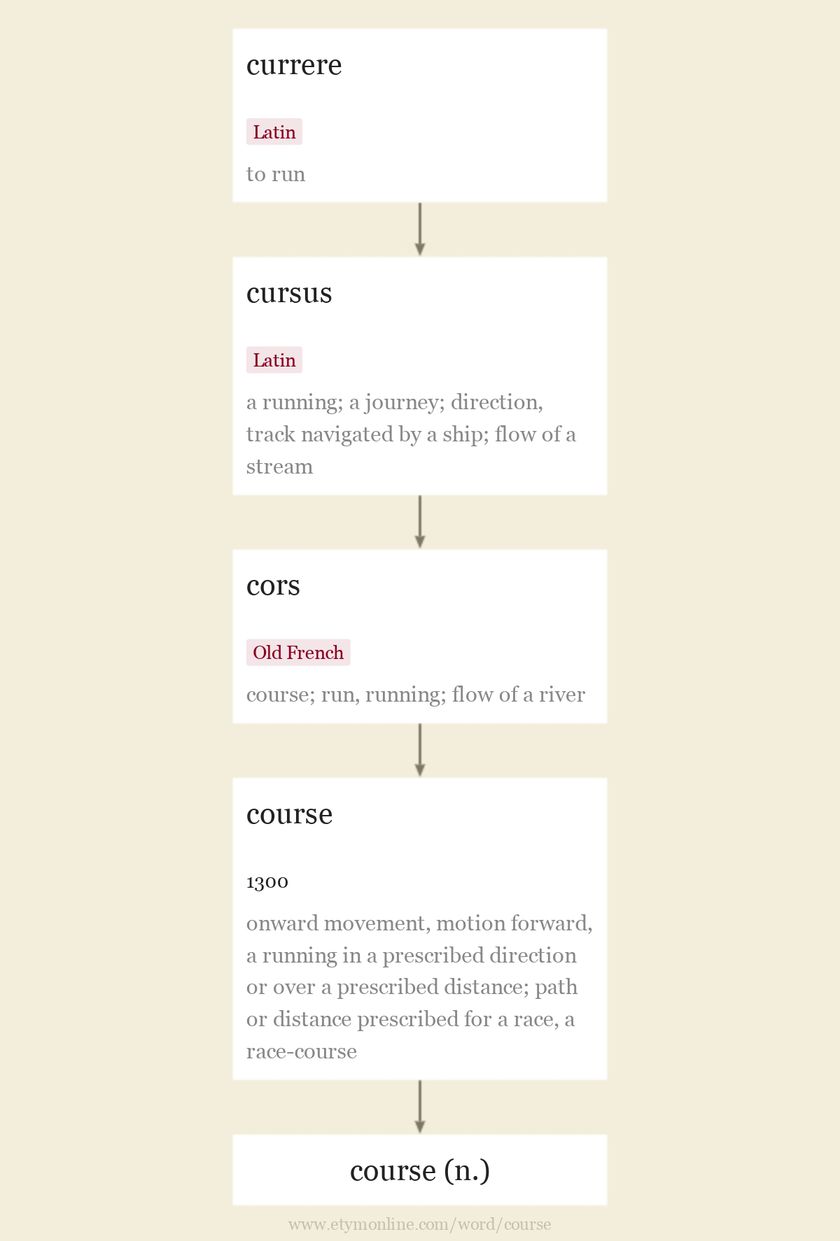
course Etymology, origin and meaning of course by

The ofCourse History, in a whiteboard animation ofCourse Scheduling
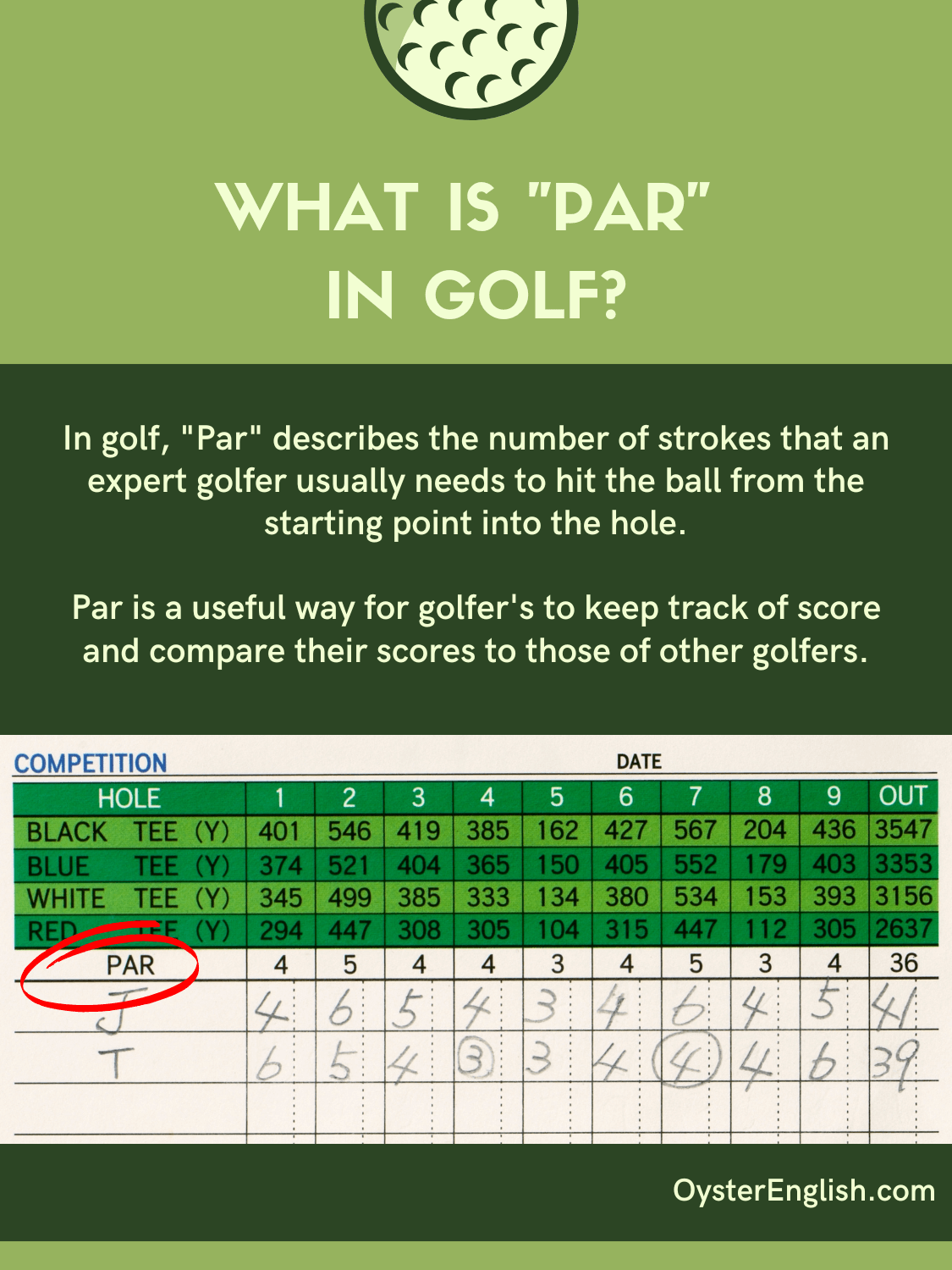
Idiom Par for the course (meaning & examples)
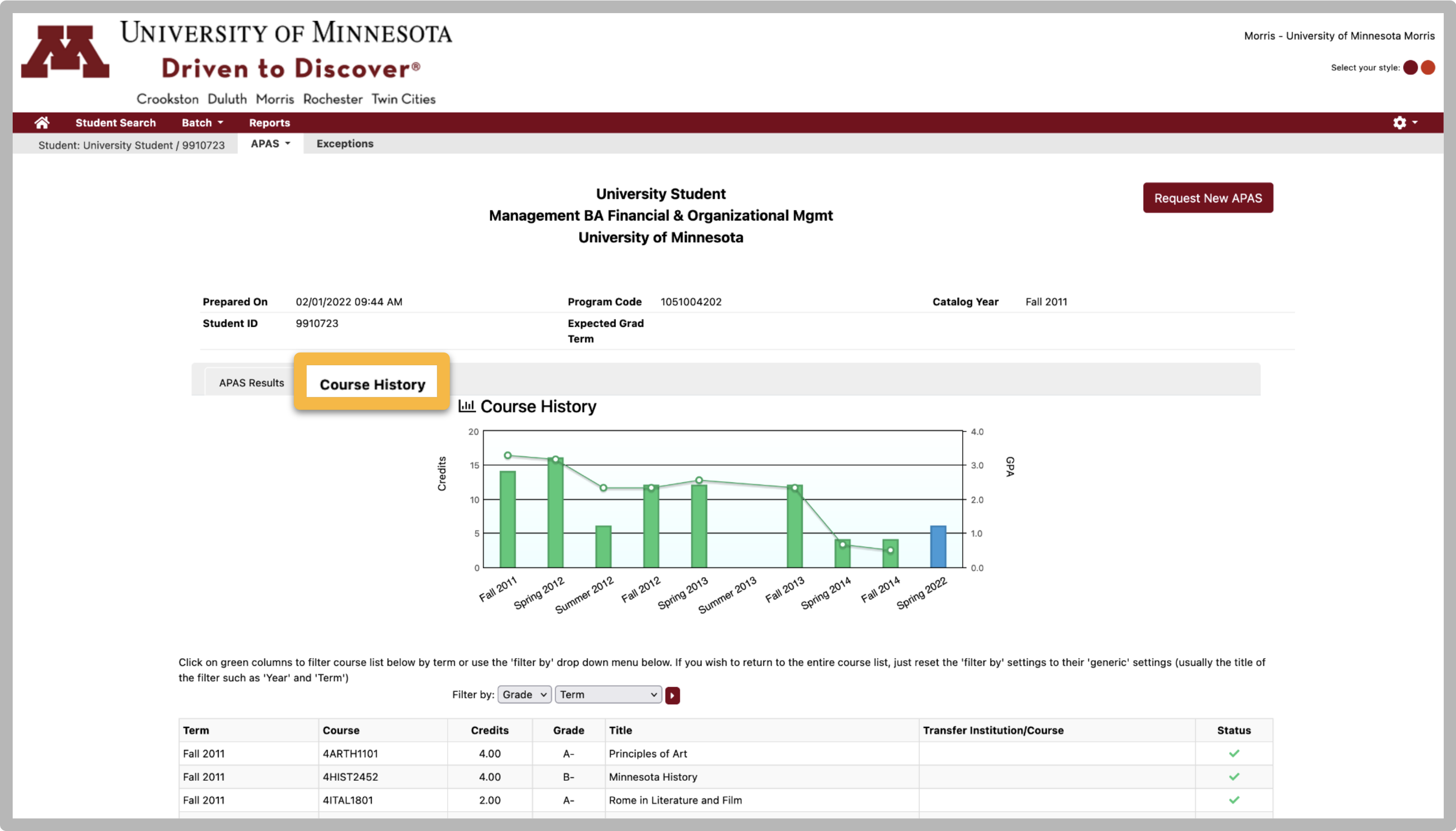
APAS Twin Cities One Stop Student Services

The Scientific Methods Crash Course History of Science 14 YouTube

On the Origin of Species Study Guide Course Hero

Image
of course meaning, origin, example, sentence, history

12 Best Online History Courses & Certifications TangoLearn Learn

Intro to History of Science Crash Course History of Science 1 YouTube
One Meaning Of Of Course Is “According To Procedure.” Once The Thief Was Arrested, He Was Arraigned As A Matter Of Course.
The Phrase ‘Of Course’ Has Its Origins In The Longer Phrase ‘Matter Of Course,’ Which Signifies Something That Is Expected To Naturally Occur.
The Term Originated Out Of Middle English, Where ” Of” Meant The Source And ” Course” Was Used To Refer To A Course.
“Of Course” Is A Phrase That Means Yes, Certainly, And Without A Doubt.
Related Post: