
Of Course Reply To Thank You
Of Course Reply To Thank You - Is it better to say “you’re welcome” or “sure” or “no problem”? You’re welcome, you’re very welcome, of course, no problem, and no worries. The other responses are used in a more casual situation: I did it as a matter of my normal course. The most common way we use ‘of course’ is to reply to requests. Your acknowledgment means a lot to me and inspires me to continue delivering my best work. Today you’ll find out the tone. But if you reply thoughtfully, you. My pleasure is also quite acceptable in any situation. Oh, can i come too? Just depends on the customer. Is it better to say “you’re welcome” or “sure” or “no problem”? I did it as a matter of my normal course. Reply too formally, and you risk sounding robotic. If you've both done something for the other, it's natural to respond to thank you with thank you. |also, it's too not two, two is a number. This response combines graciousness with a hint of reassurance. But if you reply thoughtfully, you. If you’ve done something for someone and you say ‘you’re welcome’ after they thank you, the implication is kind of, ‘yeah, i. The proper response to thank you is: You’re welcome, you’re very welcome, of course, no problem, and no worries. I see it as of course i would do this for you, you're my friend, which is a long winded way of saying you don't need to thank me. it's a perfectly acceptable response. Your response to a thank you message can really make a difference in how the interaction is perceived. Is it ok to say of course in. Is it better to say “you’re welcome” or “sure” or “no problem”? Older folks like “you’re welcome” or “you’re very. Just depends on the customer. If you've both done something for the other, it's natural to respond to thank you with thank you. |also, it's too not two, two is a number. While if someone thanks you. :)|i say “no problem” and. The other responses are used in a more casual situation: You're welcome, of course! or, ''of course i'd do this thing you're thanking me for''. If somebody asks you to do something and you are very happy to do it, or if something is very obvious, you. They are just what people automatically say to. Your response to a thank you message can really make a difference in how the interaction is perceived. If somebody asks you to do something and you are very happy to do it, or if something is very obvious, you. By saying “of course,” you affirm that helping or being of assistance is natural and expected. :)|i say “no problem”. If somebody asks you to do something and you are very happy to do it, or if something is very obvious, you. My pleasure is also quite acceptable in any situation. I did it as a matter of my normal course. But if you reply thoughtfully, you. Is it ok to say of course in response to thank you? When someone says thank you, and you respond, of course! it means, oh, no worries! Reply too formally, and you risk sounding robotic. I see it as of course i would do this for you, you're my friend, which is a long winded way of saying you don't need to thank me. it's a perfectly acceptable response. It's not rude. My pleasure is also quite acceptable in any situation. Is it better to say “you’re welcome” or “sure” or “no problem”? Oh, can i come too? Your acknowledgment means a lot to me and inspires me to continue delivering my best work. By saying “of course,” you affirm that helping or being of assistance is natural and expected. The other responses are used in a more casual situation: Older folks like “you’re welcome” or “you’re very. But if you reply thoughtfully, you. Your acknowledgment means a lot to me and inspires me to continue delivering my best work. Just depends on the customer. This response combines graciousness with a hint of reassurance. While if someone thanks you. My pleasure is also quite acceptable in any situation. Your response to a thank you message can really make a difference in how the interaction is perceived. Reply too casually, and you seem indifferent. Just depends on the customer. Your acknowledgment means a lot to me and inspires me to continue delivering my best work. It short for of course i am happy to do this for you. same with sure or you bet or even the popular no problem. older generations may not understand, though. It's not rude at all. But if you. Thank you for nominating me and for celebrating my contributions to the team. Older folks like “you’re welcome” or “you’re very. In response to thank you, i say: The most common way we use ‘of course’ is to reply to requests. Is it better to say “you’re welcome” or “sure” or “no problem”? I see it as of course i would do this for you, you're my friend, which is a long winded way of saying you don't need to thank me. it's a perfectly acceptable response. Reply too formally, and you risk sounding robotic. While if someone thanks you. They are just what people automatically say to respond to being thanked when they don't want to say, you're welcome, because it's too formal. Just depends on the customer. Reply too casually, and you seem indifferent. When someone says thank you, and you respond, of course! it means, oh, no worries! :)|i say “no problem” and. How should you respond to someone when they say “thank you” to you in english? This response combines graciousness with a hint of reassurance. You’re welcome, you’re very welcome, of course, no problem, and no worries.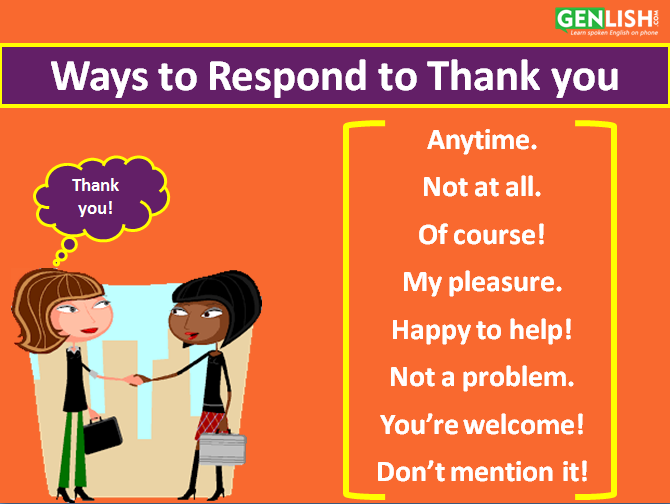
Ways to respond to Thank you

17 Ways to Respond to “Thank You”

27 Different Ways to Say Thank You (And How to Reply) Clark and Miller
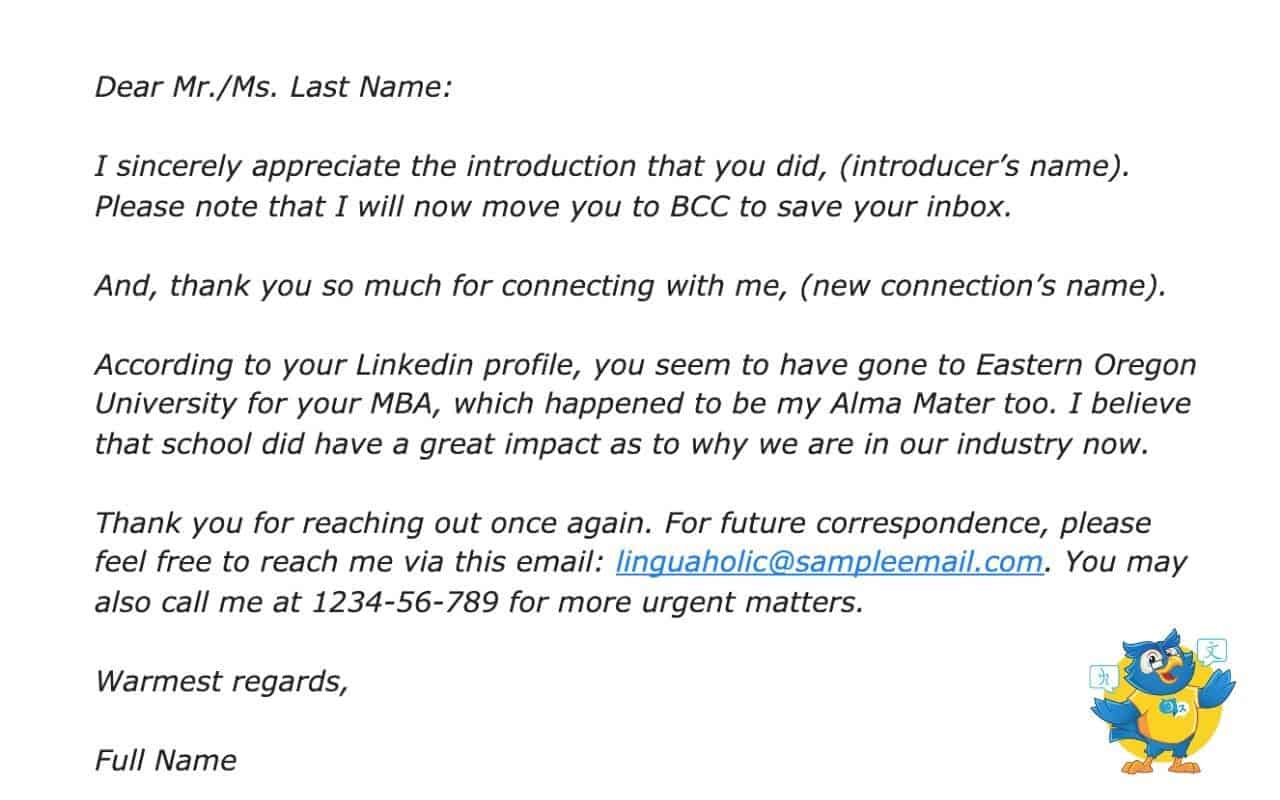
How to Write a Thank You Reply for an Introduction Email Linguablog
10 Replies to "Thank You" + Conversations Espresso English

Different ways to respond to a THANK YOU! Teach good manners! www

10 Ways to Respond to "Thank you!" English vocabulary, Learn english
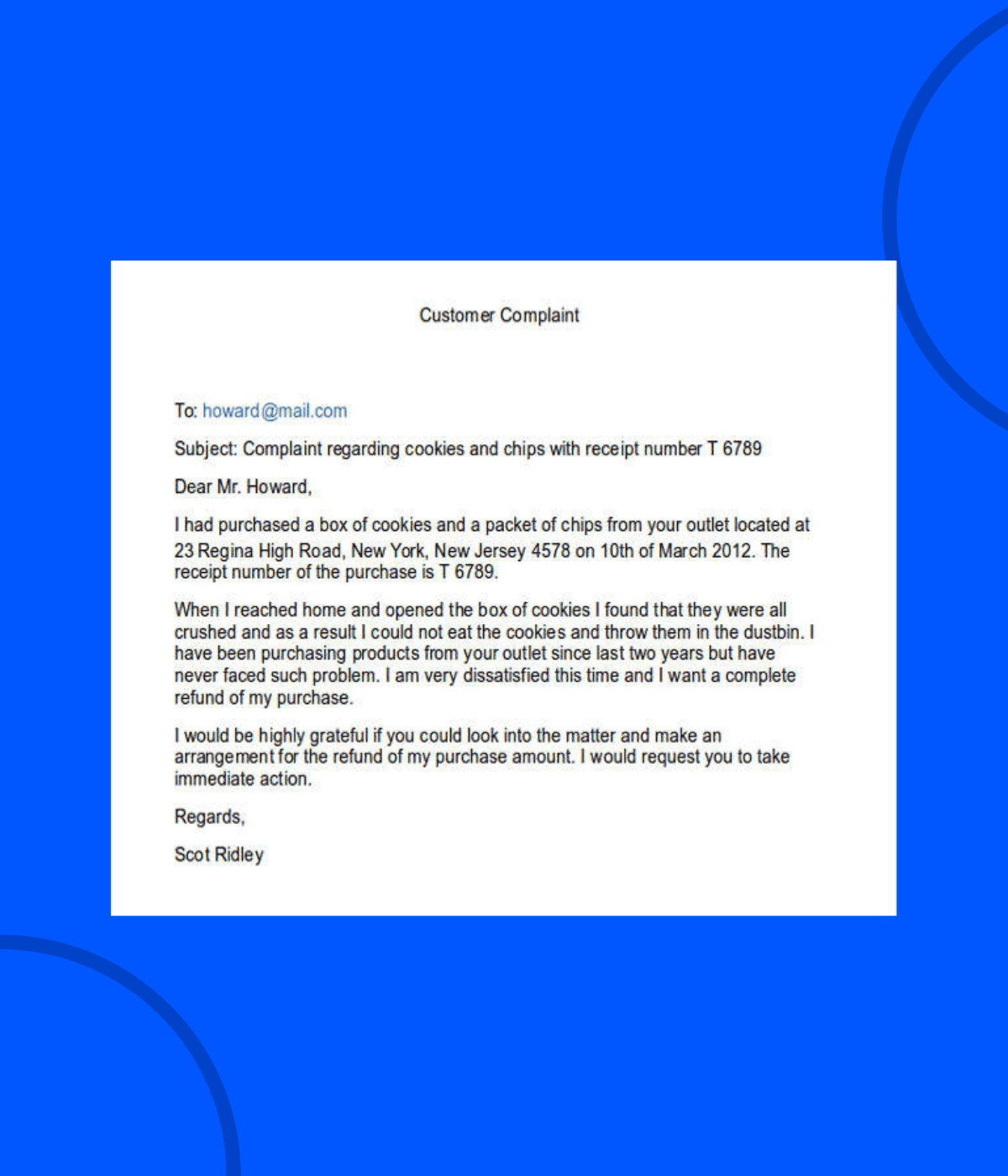
31 Brilliant Thank You Email Examples for 2024 Mailmunch

How to Respond to Thank You (In Any Situation)
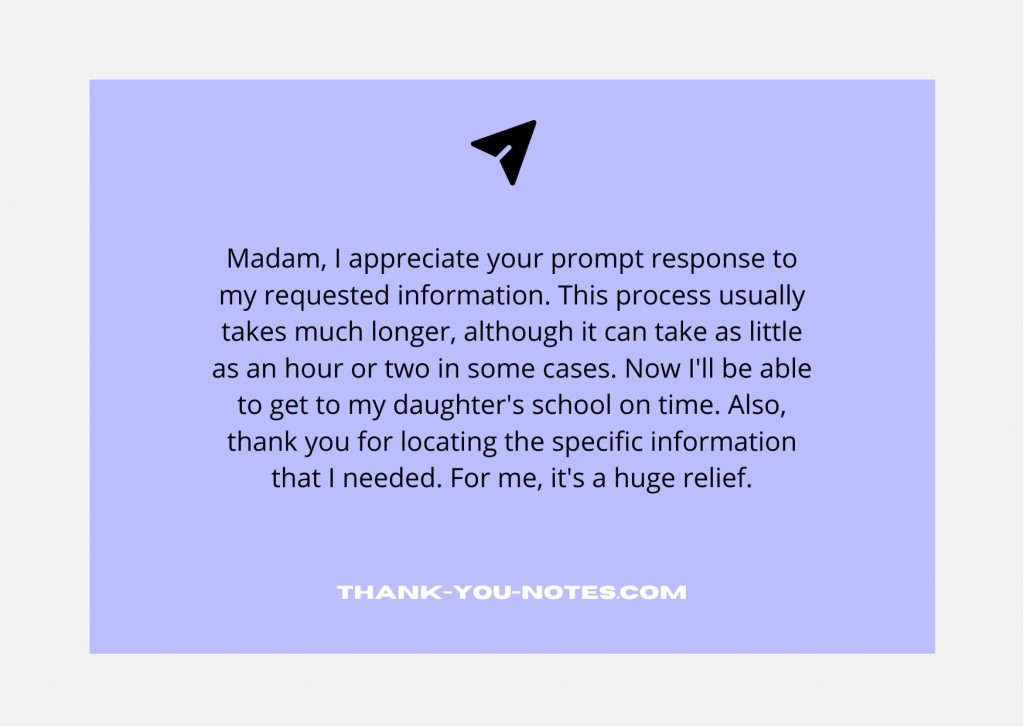
Waystosaythankyouandwaystorespondtothankyou, 51 OFF
In This Article, We Will Explore Some Polite And Genuine Ways To Reply.
But If You Reply Thoughtfully, You.
Today You’ll Find Out The Tone.
By Saying “Of Course,” You Affirm That Helping Or Being Of Assistance Is Natural And Expected.
Related Post: