
University Of Texas Math Courses
University Of Texas Math Courses - Linear, quadratic, exponential, and logarithmic functions; The university offers courses in the following fields of study. Three lecture hours a week for one semester. Subjects include a brief review of elementary algebra; May not be counted toward a degree in mathematics. For medical courses, please see the courses. Please see the general information catalog for a list of courses. Mathematics emphasizes innovative quantitative skills and offers students an opportunity to assemble a slate of courses that, when coupled with strong academic records, will better. The following fields of study are housed in the department of mathematics: Credit for mathematics 301may not be earned after. Degree and course requirements vary by catalog (year of entry). This course presents topics from algebra, coordinate geometry, and functions needed to provide solid preparation for studying calculus or other courses in college mathematics. Undergraduates seeking a bachelor of arts degree with a major in mathematics must choose either the standard option or the middle grades or secondary school teaching option. Mathematics emphasizes innovative quantitative skills and offers students an opportunity to assemble a slate of courses that, when coupled with strong academic records, will better. Please see the general information catalog for a list of courses. As an alternative to the bachelor of science and arts and the bachelor of arts degrees, the bachelor of science in mathematics is designed with a twofold purpose: The abbreviations are used in catalogs, course schedules, and student records. This information is for the current. Subjects include a variety of high school level math, science, english language arts, social studies, physical education, art, spanish, and elective courses. Three lecture hours a week for one semester. The following fields of study are housed in the department of mathematics: Linear, quadratic, exponential, and logarithmic functions; Undergraduate course descriptions and requirements in the mathematics department at the university of texas at austin The abbreviations are used in catalogs, course schedules, and student records. Explore the mathematics and physics courses available through university extension at the university of texas. Actuarial foundations (acf) and mathematics (m). Undergraduate course descriptions and requirements in the mathematics department at the university of texas at austin Undergraduates seeking a bachelor of arts degree with a major in mathematics must choose either the standard option or the middle grades or secondary school teaching option. Explore degree plans, courses and details related to your academic journey.. Mathematics emphasizes innovative quantitative skills and offers students an opportunity to assemble a slate of courses that, when coupled with strong academic records, will better. Degree and course requirements vary by catalog (year of entry). Undergraduates seeking a bachelor of arts degree with a major in mathematics must choose either the standard option or the middle grades or secondary school. Undergraduates seeking a bachelor of arts degree with a major in mathematics must choose either the standard option or the middle grades or secondary school teaching option. Subjects include a brief review of elementary algebra; Topics include basic numeric and algebraic operations, expressions, linear and quadratic equations, solving techniques, graphing, mathematical logic and reasoning, as well as a brief. For. The following fields of study are housed in the department of mathematics: The abbreviations are used in catalogs, course schedules, and student records. As an alternative to the bachelor of science and arts and the bachelor of arts degrees, the bachelor of science in mathematics is designed with a twofold purpose: May not be counted toward a degree in mathematics.. Three lecture hours a week for one semester. Explore the mathematics and physics courses available through university extension at the university of texas at austin. Subjects include a variety of high school level math, science, english language arts, social studies, physical education, art, spanish, and elective courses. Topics include basic numeric and algebraic operations, expressions, linear and quadratic equations, solving. Linear, quadratic, exponential, and logarithmic functions; Explore the mathematics and physics courses available through university extension at the university of texas at austin. The university offers courses in the following fields of study. The abbreviations are used in catalogs, course schedules, and student records. Please see the general information catalog for a list of courses. Subjects include a variety of high school level math, science, english language arts, social studies, physical education, art, spanish, and elective courses. Actuarial foundations (acf) and mathematics (m). Topics include basic numeric and algebraic operations, expressions, linear and quadratic equations, solving techniques, graphing, mathematical logic and reasoning, as well as a brief. The following fields of study are housed in. Three lecture hours a week for one semester. Linear, quadratic, exponential, and logarithmic functions; Credit for mathematics 301may not be earned after. Subjects include a brief review of elementary algebra; Degree and course requirements vary by catalog (year of entry). Undergraduate course descriptions and requirements in the mathematics department at the university of texas at austin The abbreviations are used in catalogs, course schedules, and student records. Explore the mathematics and physics courses available through university extension at the university of texas at austin. Credit for mathematics 301may not be earned after. This course presents topics from algebra, coordinate geometry,. Course meeting location, days, and time: Three lecture hours a week for one semester. Topics include basic numeric and algebraic operations, expressions, linear and quadratic equations, solving techniques, graphing, mathematical logic and reasoning, as well as a brief. Explore degree plans, courses and details related to your academic journey. This course presents topics from algebra, coordinate geometry, and functions needed to provide solid preparation for studying calculus or other courses in college mathematics. Please see the general information catalog for a list of courses. Actuarial foundations (acf) and mathematics (m). Credit for mathematics 301may not be earned after. Mathematics emphasizes innovative quantitative skills and offers students an opportunity to assemble a slate of courses that, when coupled with strong academic records, will better. Undergraduates seeking a bachelor of arts degree with a major in mathematics must choose either the standard option or the middle grades or secondary school teaching option. The abbreviations are used in catalogs, course schedules, and student records. As an alternative to the bachelor of science and arts and the bachelor of arts degrees, the bachelor of science in mathematics is designed with a twofold purpose: May not be counted toward a degree in mathematics. Degree and course requirements vary by catalog (year of entry). The following fields of study are housed in the department of mathematics: Subjects include a brief review of elementary algebra;
Dept of Math, UT Austin Inquiry Based Learning

Math Bang Aug vol Good Alg practice material ? Think Academy

MATH 1710 Final Exam Review Practice Problems and Solutions Studocu
Best Online Master of Mathematics Programs Master's Programs Guide

MATH 1308 Final Exam Practice Problems and Review Guide u00 u00 u00

Numerical Integration with Gaussian Quadrature Methods A Study Guide
Easy College Math Class

Texas Mathematics Teachers' Bulletin 16, no.1 Texas, University of

Trigonometric Graphing Concepts Comprehensive Study Guide for Math 101
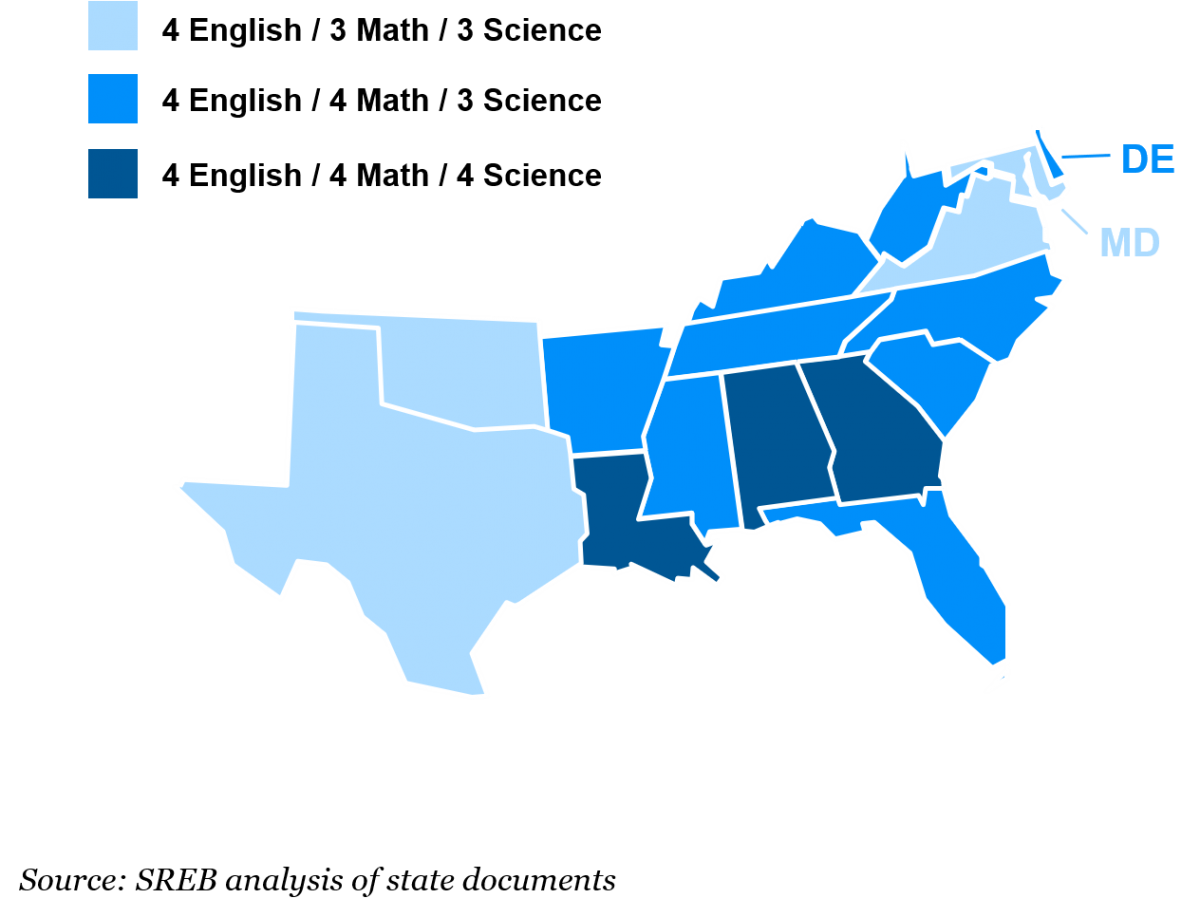
Mathematic Course Map
Explore The Mathematics And Physics Courses Available Through University Extension At The University Of Texas At Austin.
Linear, Quadratic, Exponential, And Logarithmic Functions;
This Information Is For The Current.
Topics Include Linear And Quadratic Equations, Systems Of Linear Equations, Matrices, Probability, Statistics, Exponential And Logarithmic Functions, And Mathematics Of Finance.
Related Post: